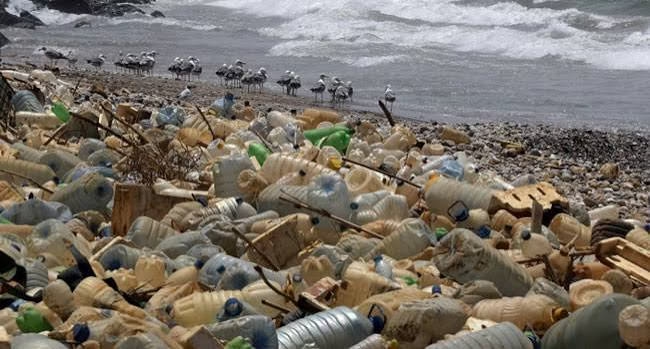

Pollution is often associated with things that can be seen, such as plastic waste, smoke and contaminated water. But another form of environmental pollution surrounds many urban communities every day without leaving a visible trace: excessive noise.
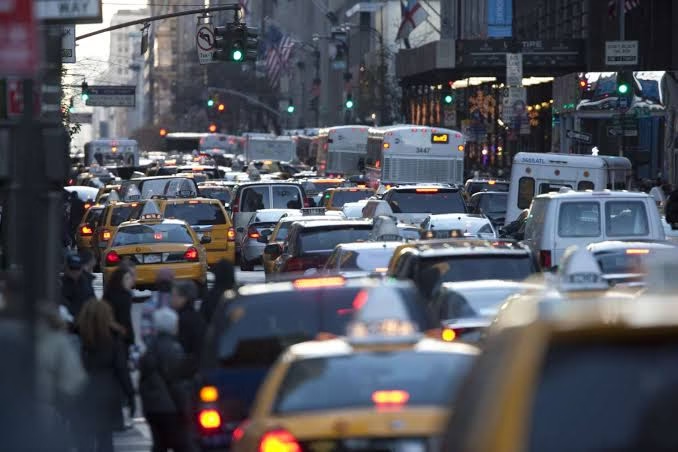
Traffic, electricity generators, construction activities, industrial operations, loudspeakers and amplified music can all contribute to elevated noise levels in cities. Unlike discarded waste or air pollution, however, noise can be difficult to identify as an environmental problem because its effects may accumulate gradually.
Prolonged exposure to excessive noise has been associated with sleep disturbance, stress and other health concerns. Persistent environmental noise can also interfere with concentration, communication and productivity, particularly in densely populated areas where residential, commercial and industrial activities often take place close to one another.
As urban populations grow and cities become increasingly active, managing environmental noise presents an additional challenge for planners and communities.
The issue is not simply about making cities quieter. It is also about creating environments where people can sleep, work, study and communicate without persistent exposure to disruptive levels of sound.
Addressing noise pollution requires a combination of public awareness, responsible behaviour, effective urban planning and enforcement of existing noise-control regulations. Businesses and individuals also have a role to play by considering how their activities affect people living and working around them.
Environmental protection is often discussed in terms of clean air, safe water and effective waste management. Noise deserves a place in that conversation.
The quality of an urban environment is shaped not only by what people see and breathe, but also by the sounds that surround them every day.
Creating healthier communities therefore requires attention to the full range of environmental factors that influence everyday life, including the noise generated by rapidly growing cities.