
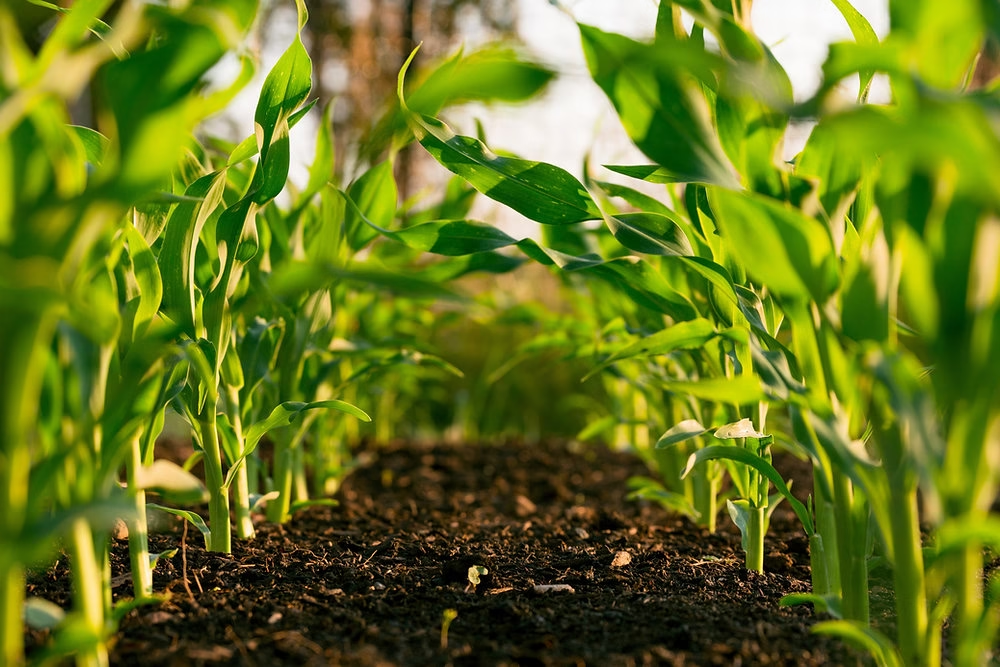
A farmer may continue cultivating a piece of land for years without realising that the soil beneath the crops is gradually becoming contaminated. The land may still appear productive, and plants may continue to grow, but pollutants accumulating in the soil can create environmental and agricultural problems that are not always immediately visible.
Soil contamination is an environmental concern that extends beyond the farmland. It can affect agricultural productivity, food safety, water quality, public health and the livelihoods of communities that depend on farming.
As pressure on land and natural resources increases, understanding the relationship between soil pollution and agriculture becomes increasingly important.
What Causes Soil Contamination?
Soil contamination occurs when harmful substances accumulate in the soil at levels that can negatively affect the environment, living organisms or human health.
Several human activities can introduce pollutants into agricultural land.
Poorly managed waste disposal can release harmful substances into surrounding soils, particularly where industrial or hazardous waste is dumped without appropriate treatment.
Industrial activities may also introduce heavy metals, chemicals and other contaminants through emissions, wastewater and improperly managed by-products.
Petroleum spills and leaks can contaminate land with hydrocarbons, while untreated sewage and wastewater may introduce pathogens and chemical pollutants.
Agricultural activities can also contribute to soil pollution when fertilisers, pesticides and other chemicals are used excessively or improperly.
The extent of contamination depends on the type of pollutant, its concentration, how long it remains in the soil and the characteristics of the affected land.
How Soil Pollution Affects Agricultural Productivity
Healthy soil provides the nutrients, structure, water and biological activity necessary for crop growth. When contamination occurs, these conditions can be disrupted.
Certain pollutants can interfere with soil microorganisms and affect the natural processes that support plant development. Some contaminants may also reduce soil fertility, damage plant roots or interfere with the uptake of essential nutrients.
In severe cases, contaminated land may experience reduced agricultural productivity, making cultivation more difficult and expensive.
Farmers may respond by applying additional agricultural inputs or seeking alternative farmland, increasing their production costs.
However, not all contaminated soils show immediate or visible signs of damage. Some pollutants can accumulate over time, making regular soil assessment important, particularly in areas exposed to industrial activities, petroleum contamination or poorly managed waste disposal.
The Connection Between Soil Contamination and Food Safety
One of the major concerns surrounding contaminated agricultural soil is the possibility of pollutants entering the food chain.
Certain contaminants, including some heavy metals, can be absorbed by crops through their roots. Depending on the contaminant, crop type, soil conditions and level of exposure, these substances may accumulate in edible plant tissues.
When contaminated crops enter the food supply, consumers may be exposed to harmful substances through their diets.
This makes soil quality an important part of food safety. Protecting agricultural land is not only about maintaining crop production; it is also about reducing potential risks associated with the food people consume.
Appropriate soil testing, monitoring of agricultural inputs and food safety assessments can help identify contamination risks before they become more widespread.
How Contaminated Soil Can Affect Water Resources
The effects of soil contamination do not necessarily remain within the boundaries of the affected farmland.
Rainfall and surface runoff can transport pollutants from contaminated land into nearby streams, rivers and other water bodies. Some substances may also move through the soil and reach groundwater, depending on their chemical properties and local environmental conditions.
This creates additional risks for communities that depend on these water sources for drinking, irrigation, fishing and other domestic or economic activities.
It also demonstrates how soil, water and food systems are connected. Pollution affecting one environmental resource can create pressure on others.
The Economic Impact on Farmers and Communities
For farmers, soil contamination is not simply an environmental statistic. It can affect their ability to earn a living.
Reduced crop yields, increased production expenses and restrictions on the use of contaminated farmland can create financial difficulties for agricultural households.
Where food production declines, the effects may extend to local markets, food supply chains and consumers.
Agriculture supports employment, trade and household income in many Nigerian communities. Environmental damage affecting agricultural land can therefore create economic consequences that extend beyond individual farmers.
The financial burden may be particularly difficult for small-scale farmers who have limited resources to test their soil, manage contamination or move their farming activities elsewhere.
Preventing Soil Contamination in Nigeria
Addressing soil pollution requires action across agriculture, industry, waste management and environmental regulation.
Proper waste disposal is essential to prevent hazardous materials from entering agricultural land. Industries must also manage their wastewater, chemicals and by-products responsibly.
Farmers can contribute by following appropriate guidelines for fertiliser and pesticide application, avoiding the use of contaminated water for irrigation and seeking soil testing where contamination is suspected.
Government agencies, research institutions and environmental organisations also have important roles in monitoring soil quality, identifying pollution sources and promoting sustainable agricultural practices.
Where contamination has already occurred, appropriate assessment and remediation are necessary. The response must be based on the type and extent of pollution rather than assumptions about the affected land.
Protecting Soil Means Protecting Food and Livelihoods
Soil is one of the foundations of agricultural production, food security and rural livelihoods. Its protection should therefore be treated as an important part of environmental management and economic development.
The consequences of contaminated soil can extend from reduced farm productivity to concerns about food safety, water quality and public health.
Preventing pollution, monitoring agricultural land and improving waste and industrial management are essential steps towards protecting this resource.
When soil becomes contaminated, the consequences do not necessarily stop at the farm boundary. They can reach the food we eat, the water we depend on and the livelihoods that sustain our communities.