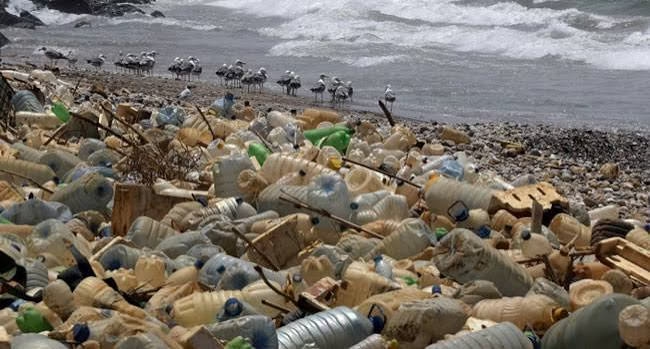

Plastic waste management is often discussed in terms of what consumers should do after using a product. People are encouraged to recycle, separate waste and dispose of packaging properly. However, addressing plastic pollution requires looking beyond consumer behaviour to examine how products are designed, manufactured and packaged in the first place.
This is where Extended Producer Responsibility (EPR) becomes important.
What Is Extended Producer Responsibility?
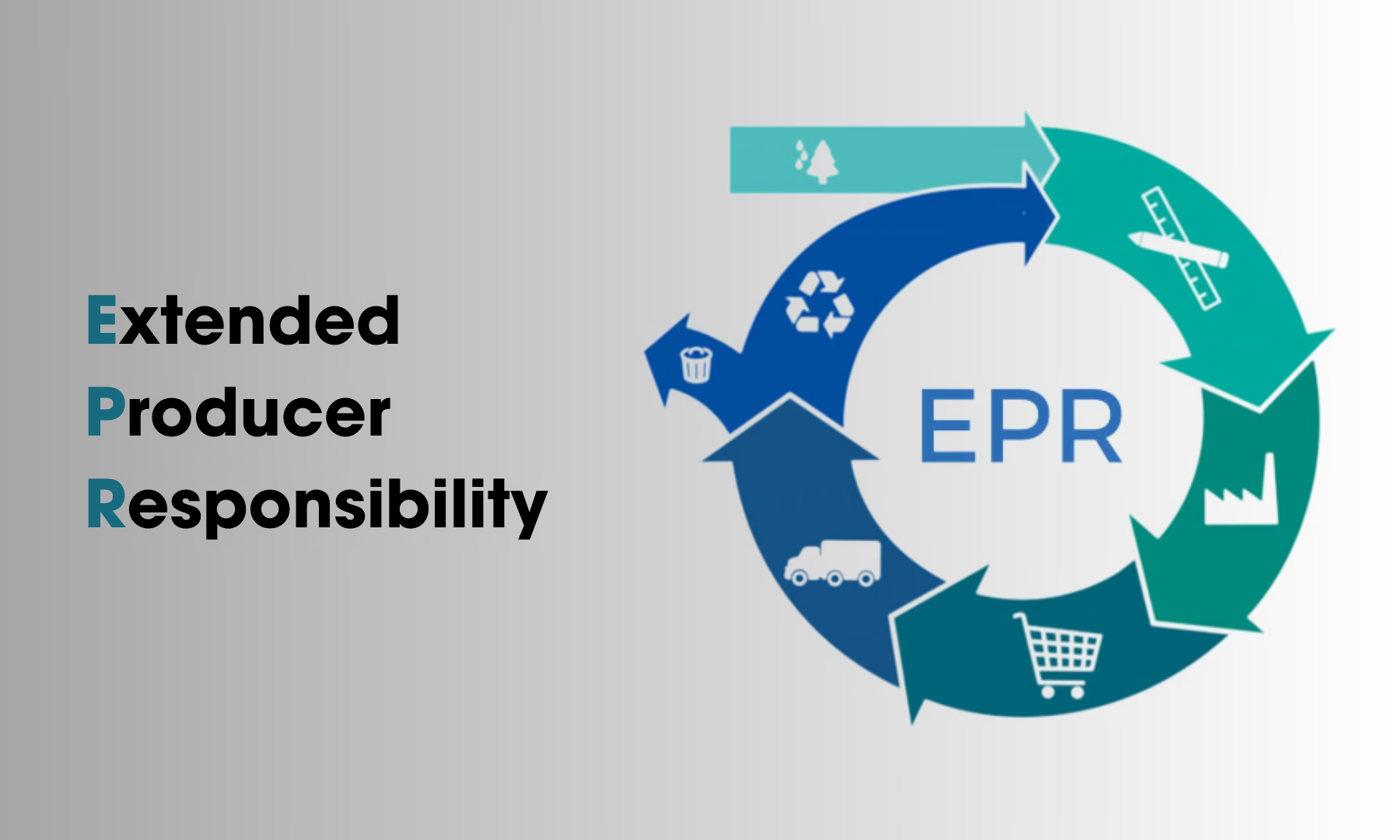
Extended Producer Responsibility is an environmental policy approach that makes producers responsible for managing the environmental impact of their products beyond the point of sale, particularly when those products reach the end of their useful life.
The principle encourages manufacturers to consider how their products and packaging will be collected, reused, recovered or recycled after consumption.
Rather than placing the entire burden of waste management on consumers and local authorities, EPR recognises that producers have an important role in preventing and managing the waste generated by their products.
Why Sustainable Product Design Matters
A product’s environmental impact is influenced long before it reaches the consumer.
The materials selected, the type of packaging used and the way different components are combined can determine whether a product can be recovered or recycled.
For example, packaging made from several different materials may be difficult to separate during recycling. Some plastics may also be technically recyclable but lack the collection systems, processing facilities or market demand required to make recycling practical.
This means that placing a recycling symbol on a package does not automatically make it recyclable in practice.
Manufacturers need to consider important questions during product development:
- Can the product or its packaging be collected after use?
- Can its different materials be easily separated?
- Can existing recycling facilities process the materials?
- Is there a market for the recovered materials?
- Can the packaging be reduced, reused or redesigned?
If these questions are ignored, products can become difficult or expensive to manage once they enter the waste stream.
Why Recycling Symbols Are Not Enough
Recyclability involves more than the technical properties of a material.
A plastic product may be capable of being recycled under certain conditions, but that does not guarantee that it will actually be collected, sorted and processed.
In many communities, limited waste collection services, inadequate recycling infrastructure and weak markets for recovered materials make recycling difficult.
As a result, some materials labelled as recyclable may still end up in landfills, drainage channels, open dumps or the natural environment.
Effective recycling therefore requires a functioning system that connects product design with collection, sorting, processing and the reuse of recovered materials.
The Role of Producers in Reducing Plastic Waste
Producers can help reduce plastic waste by making environmental considerations part of their manufacturing decisions.
This includes designing packaging that uses fewer materials, avoiding unnecessary combinations of different plastics, increasing the use of reusable packaging and selecting materials that can be recovered through existing waste management systems.
They can also support collection and recycling programmes, invest in recovery infrastructure and collaborate with waste management companies and recycling organisations.
These actions reflect the principle of Extended Producer Responsibility: environmental responsibility should extend beyond the moment a product is purchased.
Importantly, this responsibility should not depend entirely on the introduction of new regulations. Producers can begin adopting more sustainable practices through voluntary commitments, product innovation and responsible business decisions.
Building a Circular Economy Through Better Product Design
A circular economy aims to keep materials and products in use for as long as possible, reducing waste and the need to extract new resources.
This requires a shift away from the traditional model of producing, using and discarding materials.
Instead, products should be designed with their entire life cycle in mind:
Design → Production → Use → Collection → Recovery → Reuse or Recycling
When manufacturers consider this process from the beginning, they can help create products that are easier to repair, reuse, collect and recycle.
However, achieving a circular economy also requires investment in infrastructure, supportive policies, consumer participation and viable markets for recovered materials.
Why Producer Responsibility Matters for Nigeria
For Nigeria, where plastic waste remains a major environmental management challenge, improving product design and strengthening producer responsibility are important parts of the wider solution.
Waste collection and recycling systems need to work alongside better manufacturing practices. Consumers must have access to appropriate disposal options, while recycling businesses require reliable supplies of recoverable materials and viable markets for their products.
Government policies, private sector investment and community participation must also work together to improve the management of plastic waste.
No single group can address the problem independently.
Preventing Waste Before It Is Created
The conversation about plastic pollution should not begin only when a product becomes waste.
It should begin at the design stage, when decisions about materials, packaging and manufacturing can influence what happens to that product after use.
Extended Producer Responsibility provides an important framework for making manufacturers part of the solution. When products are designed with recovery and reuse in mind, the burden of managing waste becomes easier to share across the entire production and consumption chain.
A product’s environmental responsibility should not end at the point of sale. It should begin long before the product reaches the consumer.