
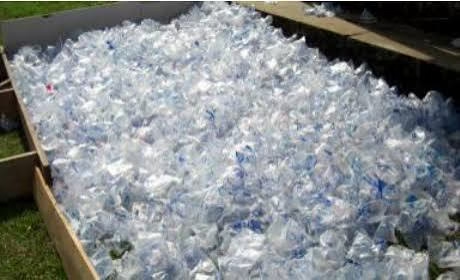
Sachet water has become a common source of drinking water for millions of Nigerians, largely because it is affordable, portable and readily available. But alongside its importance as a source of drinking water is an environmental challenge that continues to grow: the disposal of the plastic sachets used to package it.
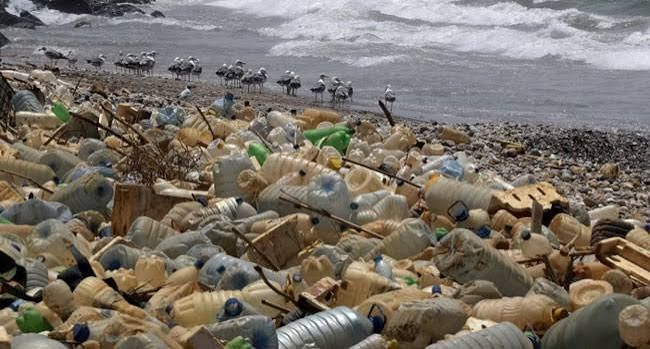
After consumption, discarded sachets can accumulate along streets, in gutters, drainage channels and open spaces. When improperly disposed, the lightweight plastic packaging can be carried by wind and rain into drainage systems, contributing to blockages that can worsen urban flooding during periods of heavy rainfall.
The problem goes beyond city drains. Plastic waste that enters streams, rivers and other waterways can persist in the environment and pose risks to aquatic ecosystems. As plastic breaks down into smaller particles, it can also become increasingly difficult to remove from the environment.
For communities and local authorities, the consequences of plastic waste can translate into additional environmental and economic pressures. Clearing blocked drainage channels, managing accumulated waste and responding to flooding all require resources, while polluted public spaces and waterways can affect the quality and usability of the environment.
The challenge is particularly significant in urban areas where high consumption of packaged products is combined with inadequate waste collection and disposal systems.
Reducing the environmental impact of sachet packaging requires the government institutions, manufacturers, waste-management operators, businesses, community organisations and citizens to play a role improving waste collection, encouraging responsible disposal and reducing the amount of plastic entering the environment.
For Nigeria, the issue presents a difficult balance between maintaining access to affordable drinking water and addressing the environmental consequences of the packaging through which much of that water is distributed.
As plastic pollution continues to place pressure on communities and ecosystems, improving waste-management systems and promoting more sustainable consumption and disposal practices remain important parts of the response.