
The Coalition for Good Governance (CGG) has urged greater sincerity among stakeholders and the swift rollout of a comprehensive urban renewal programme for Makoko following renewed demolitions in the community by the Lagos State Government.
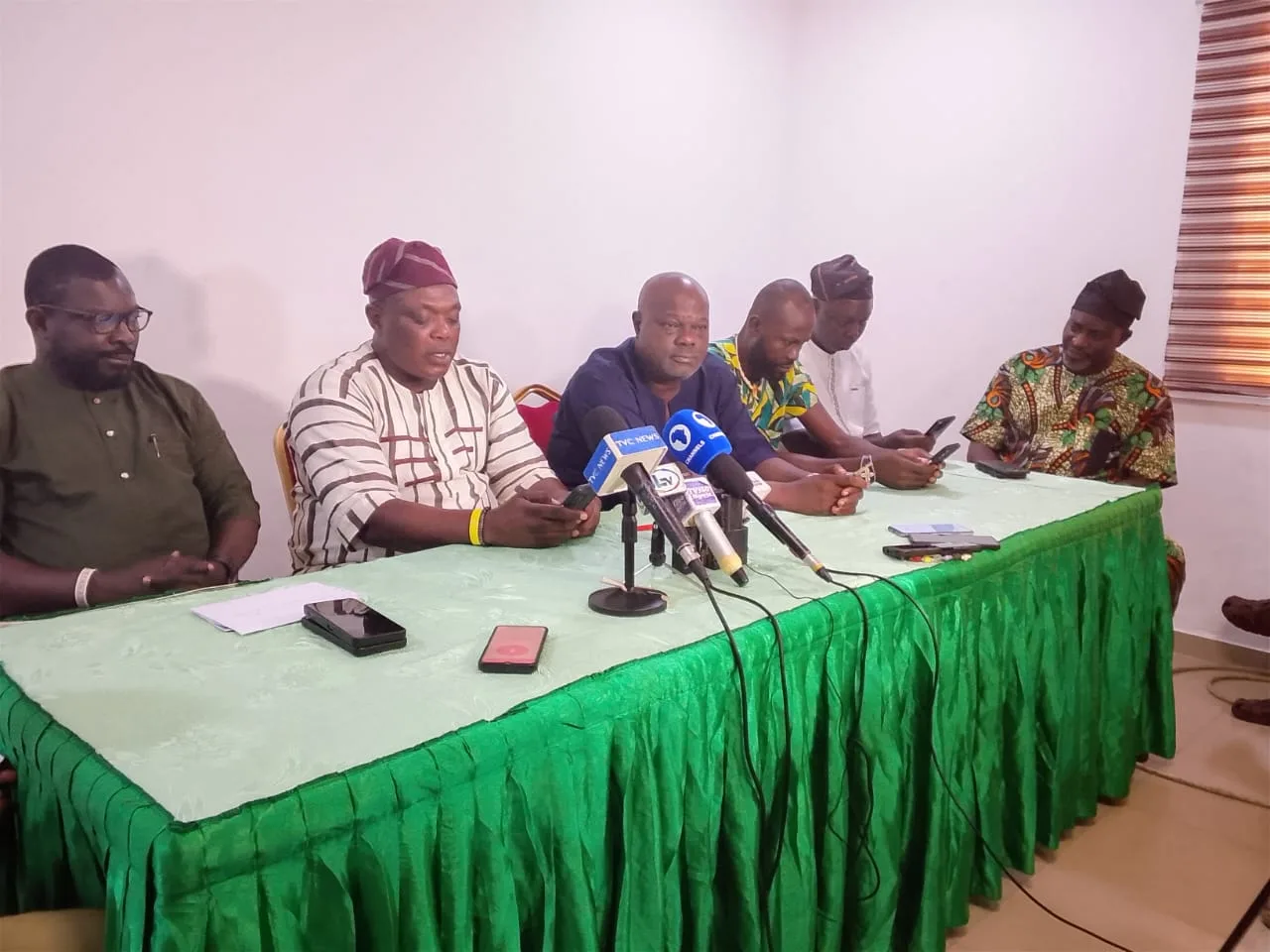
At a press briefing in Lagos on Tuesday, the group’s leader, Mr. Nelson Ekujumi, said the latest demolition exercise — targeting structures built under high-tension power lines — has deepened tensions between government authorities and residents.
Ekujumi observed that Makoko has long been at the centre of Lagos’ urban planning debates, recalling similar demolition exercises in 2005 and 2012 aimed at addressing environmental hazards and safety risks.
Describing the waterfront settlement as one of the city’s most contentious urban spaces, he noted that Makoko is home to an estimated 80,000 to 250,000 people, many of whom reside in wooden stilt houses above the lagoon, often with limited access to sanitation, potable water and electricity.
While conceding that concerns over buildings erected beneath high-tension power lines and in flood-prone areas are legitimate from a regulatory standpoint,
Ekujumi expressed worry over what he termed a growing trust deficit between the government and the community.
According to him, prior engagements between state authorities and community leaders resulted in an agreement requiring residents to dismantle structures that breached approved safety distances.
However, he alleged that the residents did not fully comply with the terms, prompting government intervention.
The demolitions have since sparked protests, with some residents accusing the authorities of acting beyond the agreed framework.
“The critical issue is determining where the truth lies,
” Ekujumi said. “Was there a failure on the part of residents to honour their commitments, or was the government compelled to enforce compliance in line with its constitutional duty to safeguard lives and property?”
The coalition sympathised with families who lost homes and sources of livelihood but maintained that government has a responsibility to prevent actions that could endanger public safety.
Ekujumi also commended the Lagos State House of Assembly for stepping in by setting up a committee of stakeholders and ordering a temporary suspension of the demolitions to reduce tensions.
He welcomed assurances from the state government that affected properties would be enumerated and that the process would be handled with sensitivity.
The coalition reiterated its call for the immediate implementation of a structured urban development plan for Makoko to forestall potential disaster.
It further urged Governor Babajide Sanwo-Olu to sustain efforts aimed at removing hazardous structures, warning of grave consequences should a high-tension power line collapse into the lagoon.
Ekujumi emphasised the need for improved transparency, communication and mutual trust in future engagements, noting that past interactions had exposed gaps that hindered lasting solutions.
As consultations continue, stakeholders are expected to navigate the delicate balance between urban renewal initiatives, public safety considerations and the socio-economic realities of thousands of Makoko residents.