
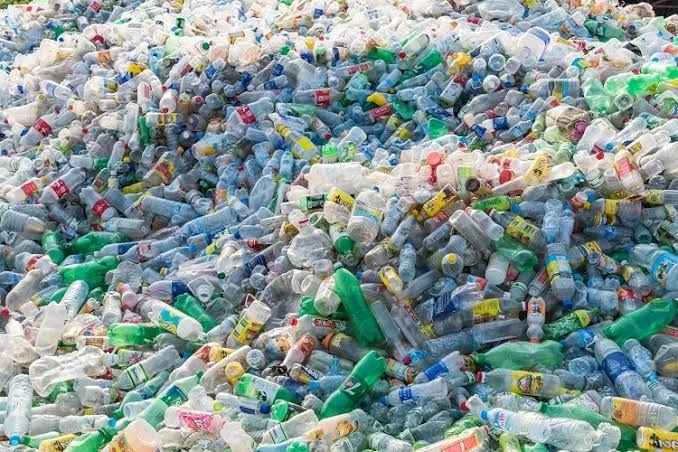
A plastic bottle may be used for only a few minutes before being discarded, but its presence in the environment can continue for decades and potentially much longer.
Unlike organic materials that readily decompose, conventional plastics generally break down very slowly. Instead of simply disappearing, larger plastic items can fragment into progressively smaller pieces, including microplastics, which can persist in soils, rivers, lakes and marine environments.
Plastic bottles that are improperly discarded can therefore become part of a much larger environmental problem. They can accumulate in drainage systems, enter waterways and contribute to the growing volume of plastic waste found in terrestrial and aquatic ecosystems.
The problem is particularly challenging because plastic bottles are widely used for their convenience and accessibility. Bottled water and other packaged drinks are common in many communities, making the management of discarded containers an important part of efforts to reduce plastic pollution.
Addressing the problem requires more than simply collecting waste after it has been discarded. Effective waste-management systems are essential, but reducing plastic pollution also involves improving recycling infrastructure, encouraging responsible disposal and supporting alternatives where appropriate.
Businesses and manufacturers can contribute through packaging choices, collection initiatives and recycling systems, while governments can support the sector through appropriate environmental policies and effective waste-management frameworks. Consumers also influence the amount of plastic entering the waste stream through their purchasing and disposal choices.
Recycling can help recover plastic materials that might otherwise become waste, although it is not a complete solution to plastic pollution. Reducing unnecessary consumption and improving systems for collecting and processing discarded plastics are also important components of a broader response.
The environmental consequences of a plastic bottle therefore extend far beyond its brief period of use. What begins as a convenient container can become persistent waste when it is not properly managed.
Reducing plastic pollution will require coordinated action from individuals, businesses, institutions and government authorities. Better awareness, stronger waste-management systems and more responsible consumption can all contribute to reducing the amount of plastic entering the environment.
A plastic bottle may have a short useful life, but the environmental consequences of its disposal can last considerably longer.