
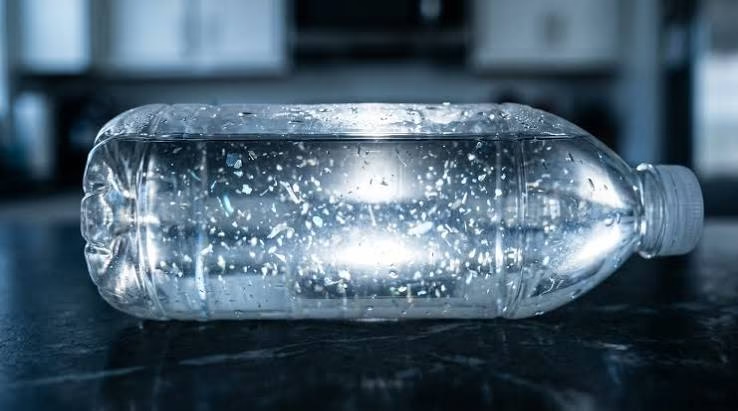
A bottle of water may look perfectly clear, but studies have found that bottled water can contain particles that are invisible to the naked eye.
These particles, known as microplastics, are tiny pieces of plastic generally measuring less than five millimetres. Even smaller particles, known as nanoplastics, can be difficult to detect without specialised equipment.
Researchers have detected microplastics in bottled and tap water, raising questions about how these particles enter drinking water and what prolonged exposure could mean for human health. The World Health Organization has identified microplastics as an emerging area of concern while also noting that significant gaps remain in the available evidence.
Research has also detected plastic particles in human biological samples. Studies have reported microplastics in areas including the blood, lungs and placental tissue. These findings demonstrate that people can be exposed to and retain plastic particles in the body, but scientists are still working to establish the extent to which such exposure causes adverse health effects.
So where do the particles found in bottled water come from?
There is no single source. Microplastics can enter water from environmental contamination, wastewater, surface runoff and other sources. In bottled water, the packaging itself and the bottling process may also contribute. Plastic bottles and caps have been identified as possible sources of some particles detected in drinking water.
Research published in 2024 also demonstrated how advanced detection methods can reveal very small plastic particles in bottled water, including nanoplastics that earlier methods were unable to identify.
However, the presence of microplastics does not mean that bottled water is necessarily unsafe to drink. Safe drinking water remains essential, and the scientific understanding of the health implications of microplastic exposure is still developing. WHO has called for further research to better assess potential risks and address existing knowledge gaps.
The issue therefore extends beyond the question of what is inside a bottle.
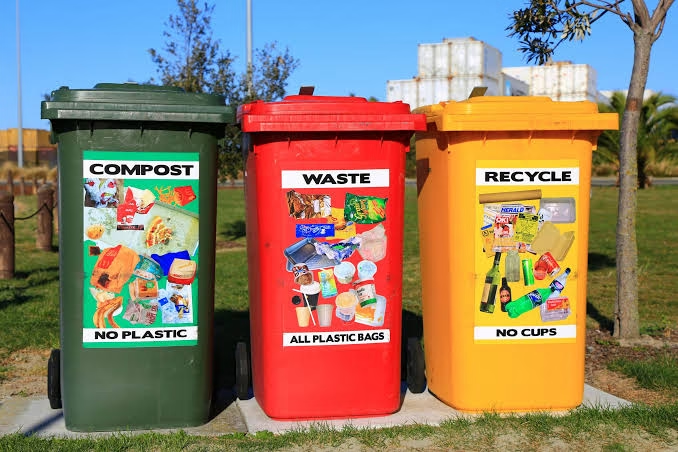
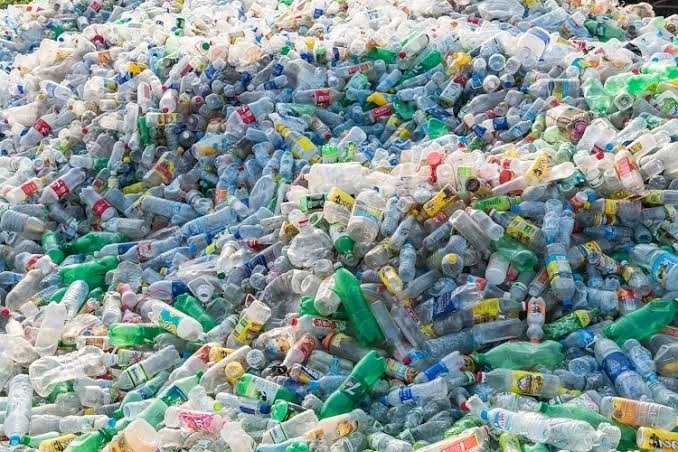
Reducing plastic pollution at its source can help limit the amount of plastic entering water systems in the first place. Improved waste management, greater recovery and recycling of plastic materials, more sustainable packaging options and continued scientific research are all part of the broader response.
For consumers, the emerging research offers a reason for awareness rather than panic. Microplastics are now recognised as widespread environmental contaminants, but important questions about their long-term effects on human health remain under investigation.
The conversation about plastic pollution is therefore not only about what happens to a bottle after it is thrown away. It is also about understanding how plastic moves through the environment and how that movement can ultimately bring plastic particles into the places where people live, eat and drink.
As research continues, better evidence will be essential for guiding decisions about plastic production, packaging, waste management and public health.