
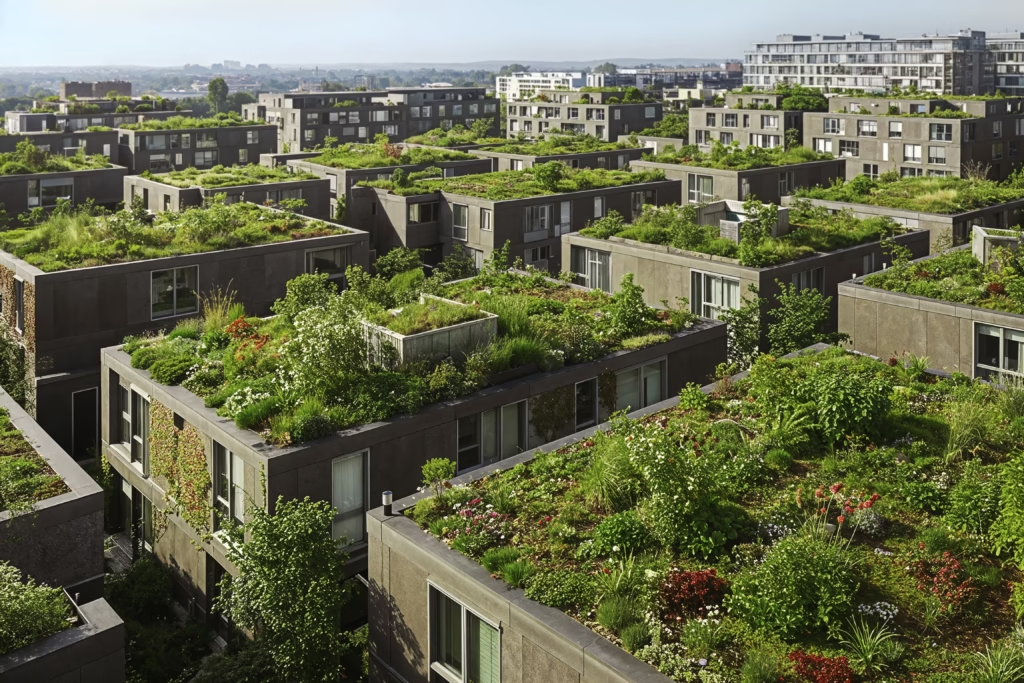
Development is essential to improving living standards. Growing communities need roads, homes, reliable transportation, food production, industries, businesses and other infrastructure that support economic activity. These are legitimate needs, particularly in countries working to expand opportunities, reduce poverty and improve access to essential services.
However, development can become counterproductive when the activities driving economic growth weaken the natural systems on which societies depend.
The construction of roads and buildings, expansion of industries, growth in transportation and intensification of agriculture all place demands on land, water, energy and other natural resources. Without adequate planning and environmental safeguards, these activities can contribute to pollution, habitat destruction, resource depletion and waste generation.
The challenge, therefore, is not whether societies should develop. It is how development can take place without compromising environmental quality and long-term human well-being.
When Development Increases Environmental Pressure
As cities grow, demand for housing, transportation, electricity, water and consumer goods also increases. This expansion can create economic opportunities, but it can place considerable pressure on the environment.
Poorly planned urban growth may lead to the loss of green spaces, increased waste generation and pressure on existing drainage and sanitation systems. Where waste collection and disposal services fail to keep pace with population growth, refuse can accumulate in residential areas, markets and waterways.
Transportation presents another challenge. An increase in vehicles, particularly where public transport systems are inadequate and vehicle emissions are poorly controlled, can contribute to declining urban air quality.
Industrial expansion can also increase the demand for water and energy while generating wastewater, emissions and solid waste. If these by-products are not properly managed, surrounding communities and ecosystems may bear the consequences.
Agricultural development has its own environmental considerations. Intensive farming, inappropriate agrochemical use, excessive land clearing and unsustainable irrigation practices can contribute to soil degradation, water contamination and biodiversity loss.
These examples demonstrate that development activities do not operate independently of the environment. Their effects can accumulate, particularly when planning and regulation fail to account for environmental limits.
The Economic and Social Costs of Environmental Damage
Environmental degradation is often treated as a separate concern from economic development. In reality, the two are closely connected.
When air quality deteriorates, communities may experience increased health risks and associated healthcare costs. Contaminated water can affect public health, reduce access to safe drinking water and place additional pressure on households.
Degraded agricultural land can reduce productivity and threaten farmers’ incomes. Pollution of rivers and other water bodies can affect fishing, recreation and businesses that depend on clean water.
Poor drainage and inadequate waste management can also increase the vulnerability of urban communities to flooding. The resulting damage may affect homes, businesses, roads and public infrastructure.
These consequences can weaken the economic benefits that development is expected to deliver. Money spent treating preventable illnesses, restoring damaged ecosystems and repairing infrastructure could otherwise support education, healthcare, productive investment and other development priorities.
Environmental protection is therefore not an obstacle to economic progress. It is part of protecting the long-term value of that progress.
Why Development Needs Environmental Planning
Sustainable development requires environmental considerations to be integrated into decisions from the beginning, rather than treated as an afterthought once damage has occurred.
Road construction, housing projects, industrial facilities and agricultural expansion should be guided by appropriate environmental assessments, land-use planning and regulatory standards. These measures can help identify potential risks, reduce harmful impacts and encourage more responsible resource use.
Cities also need infrastructure that can accommodate growth without placing excessive pressure on natural systems. Reliable public transportation, effective drainage, adequate sanitation, organised waste collection and access to clean water are important parts of this process.
Industries can contribute by improving energy efficiency, reducing emissions, treating wastewater and adopting production methods that minimise waste. Agricultural productivity can also be pursued through practices that conserve soil, protect water resources and reduce unnecessary chemical use.
These measures do not eliminate every environmental impact, but they can help ensure that the benefits of development are not achieved at the expense of public health and ecological stability.
Balancing Economic Growth with Environmental Responsibility
Environmental responsibility does not mean rejecting industrialisation, urbanisation or infrastructure development. It means recognising that economic activities have environmental consequences and ensuring that those consequences are properly considered.
Governments must establish and enforce environmental regulations, invest in essential infrastructure and promote development planning that accounts for ecological conditions. Businesses must take responsibility for the pollution and waste associated with their operations, while communities can contribute through responsible consumption and proper waste disposal.
Public participation is equally important. People affected by development projects should have opportunities to understand potential environmental impacts and contribute to decisions that shape their communities.
The transition towards more sustainable development also requires investment in innovation, cleaner energy, efficient transportation, improved waste management and responsible production systems.
Ultimately, economic growth should be measured not only by the number of roads constructed, industries established or buildings completed, but also by whether these developments improve people’s lives without creating avoidable environmental problems.
Development Should Improve the Conditions for Life
A growing economy is valuable when it creates opportunities, supports livelihoods and improves living conditions. But these gains become less meaningful when the same activities contribute to polluted air, unsafe water, degraded farmland and increasingly vulnerable communities.
The environment is not separate from the development process. It provides the resources, conditions and natural systems that make economic and social progress possible.
The goal should not be to choose between development and environmental protection. It should be to pursue development that recognises their connection.
Progress should create better places to live, work and raise future generations. It should not transfer today’s environmental costs to the communities and generations that will have to bear them tomorrow.


