
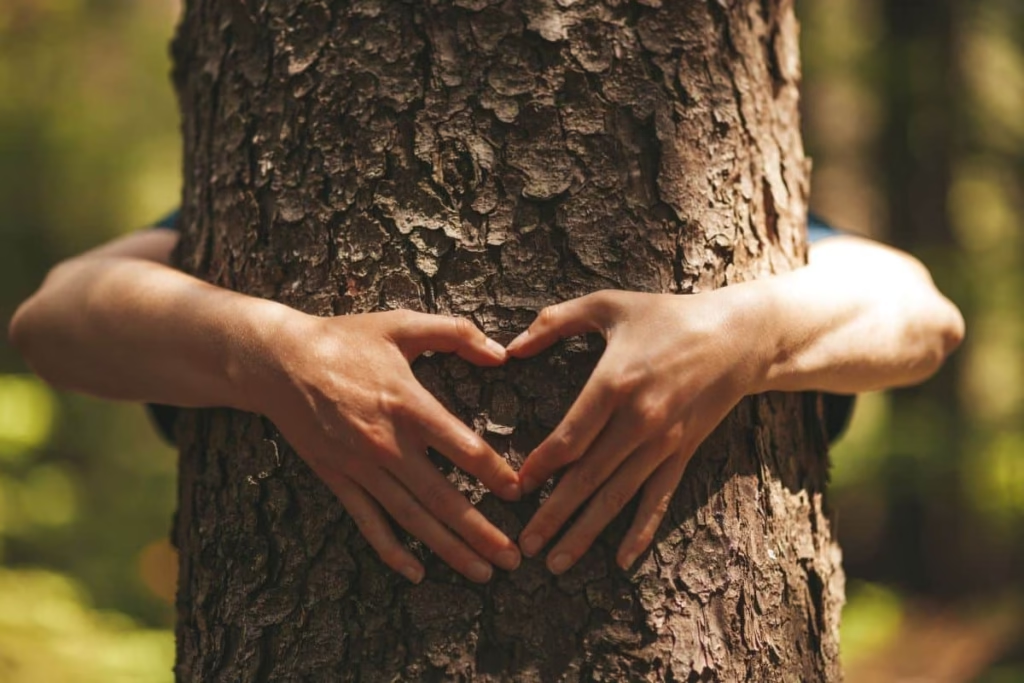
The air people breathe, the water they drink and the soil that produces their food are all part of natural systems that existed long before modern human societies. Forests, rivers, wetlands and other ecosystems provide essential conditions for life, supporting biodiversity, regulating the climate and sustaining livelihoods.
Yet many of the environmental pressures threatening these systems today are linked to human activities.
From industrial production and resource extraction to construction, transportation, agriculture and everyday consumption, human activities have transformed the natural environment. While these activities support economic development and improve living standards, they can also generate pollution, deplete natural resources and weaken the ecosystems on which communities depend.
This creates a fundamental contradiction: people depend on nature for survival, but their activities can undermine the very systems that sustain them.
How Human Activities Affect the Environment
Environmental degradation is rarely caused by a single activity. It often results from several interconnected processes involving production, consumption, infrastructure development and waste disposal.
Industrial activities can release pollutants into the air and water. Poorly managed waste can contaminate land and obstruct drainage channels. Unsustainable agricultural practices can contribute to soil degradation, while deforestation and uncontrolled land development can destroy habitats and reduce the ability of ecosystems to perform essential functions.
Urbanisation also places increasing demands on natural resources. As cities expand, the need for housing, transportation, energy and other infrastructure often leads to changes in land use, increased resource consumption and greater waste generation.
The consequences may not always be immediately visible, but environmental pressures can accumulate over time.
Environmental Damage Is Also a Human Problem
The effects of environmental degradation extend beyond damaged landscapes and declining wildlife populations. They can directly affect human health, livelihoods, economic activities and community well-being.
Air pollution, for instance, is associated with respiratory and cardiovascular diseases. When water sources become contaminated, communities may face increased exposure to waterborne diseases and reduced access to safe drinking water.
Soil degradation and contamination can affect agricultural productivity, food safety and farmers’ livelihoods. Similarly, poorly managed waste can contribute to blocked drainage systems, flooding and unsanitary living conditions, particularly in densely populated urban communities.
These problems can also create financial pressures. Households may spend more on healthcare and clean water, farmers may experience reduced yields, and governments may face higher costs for sanitation, infrastructure repairs and environmental remediation.
Environmental damage, therefore, is not simply an ecological concern. It can become a social and economic burden.
The Connection Between Development and Environmental Responsibility
Economic development often involves the use of natural resources. Industries require raw materials and energy, cities need land and infrastructure, and households depend on products and services that involve production and transportation.
The challenge is not necessarily to stop these activities, but to examine how they are carried out and what happens to their environmental consequences.
Development that overlooks environmental costs can create problems that eventually undermine its own benefits. For example, economic gains from poorly regulated industrial activities may be accompanied by pollution that affects public health and local livelihoods.
A more sustainable approach considers environmental consequences throughout the production and consumption process. This includes responsible resource use, effective waste management, cleaner production methods, environmental regulation and infrastructure that accounts for ecological conditions.
It also requires recognising that the cost of environmental damage is not always borne by the people or businesses responsible for generating it. Communities living near polluted waterways, industrial sites or poorly managed waste facilities may experience consequences without receiving the economic benefits of the activities involved.
Protecting Nature Means Protecting People
Environmental protection is often discussed in terms of conserving forests, protecting wildlife and preserving natural landscapes. These are important objectives, but environmental responsibility must also consider the people whose lives depend on healthy ecosystems.
Access to clean air and water, productive agricultural land, safe settlements and functioning drainage systems are all connected to environmental quality.
This makes environmental protection relevant to public health, food security, urban planning, economic development and social welfare.
Governments have a responsibility to establish and enforce environmental standards, while industries must reduce pollution and manage the resources and waste associated with their operations. Communities and individuals also have roles to play through responsible consumption, proper waste disposal and participation in environmental initiatives.
No single group can address the problem in isolation. Effective environmental protection requires coordinated action across institutions, businesses and communities.
The Environment Is the Foundation of Human Well-being
Human societies have developed sophisticated technologies, industries and infrastructure, but none of these removes our dependence on natural systems. Food still depends on productive land and water. Human health is influenced by environmental conditions, while economic activities rely on resources and ecological services.
The environment is not separate from human life. It is part of the foundation on which human well-being and development depend.
Recognising this connection changes how environmental protection should be understood. It is not only about preserving nature for its own sake; it is also about safeguarding public health, livelihoods, economic stability and the opportunities available to future generations.
The natural systems that sustain life cannot be treated as unlimited resources or convenient destinations for the consequences of human activity. Protecting them is an essential part of protecting ourselves.


