
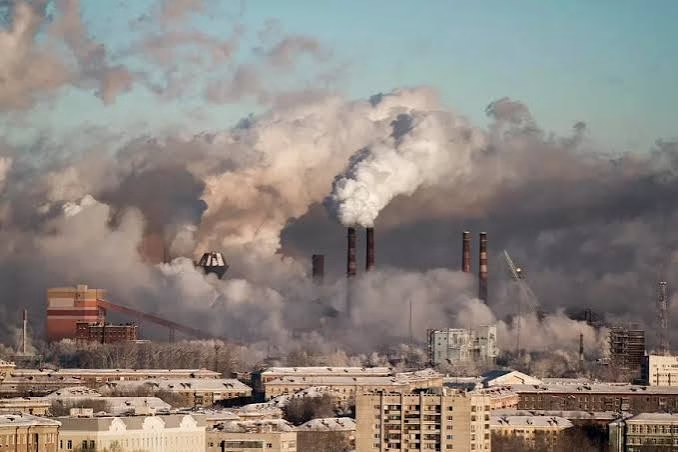
Air pollution is one of the major environmental challenges facing urban communities, yet unlike plastic waste or contaminated water, its presence is often difficult to see.
Across Nigerian cities, emissions from electricity generators, vehicle exhaust, open waste burning and industrial activities can contribute to poor air quality. For people living and working in these environments, exposure to polluted air can become part of everyday life.
The health consequences can be significant. Exposure to air pollution has been associated with respiratory and cardiovascular diseases, while prolonged exposure can contribute to broader health problems. Children, older adults and people with existing health vulnerabilities can be particularly susceptible to the effects of poor air quality.
Air pollution can also affect everyday life beyond direct health impacts. Poor air quality can reduce people’s ability to work comfortably, affect productivity and place additional pressure on households and healthcare systems.
Some sources of urban air pollution are linked to activities that communities rely on. Petrol and diesel generators, for example, provide electricity where the public power supply is unreliable, while vehicles remain essential for transportation. Open burning is also used in some communities as a way of disposing of waste.
This makes air pollution a complex environmental challenge. Reducing emissions requires not only individual behavioural changes but also improvements in the systems that shape how people live and work.
Cleaner and more reliable energy alternatives can reduce dependence on fuel-powered generators. Better waste-management systems can reduce the need for open burning, while effective transportation planning and vehicle-emission controls can help address pollution from road traffic.
Government institutions, businesses, communities and individuals all have roles to play in improving air quality. Strong environmental policies and enforcement are important, but public awareness is equally necessary to help communities understand the sources and consequences of air pollution.
Environmental sustainability is often discussed in terms of protecting land and water. However, the atmosphere is equally important. Clean air is a basic part of a healthy environment, and improving air quality requires attention to the everyday activities that determine what people breathe.
For Nigeria’s growing urban communities, making air quality a greater part of environmental planning can contribute to healthier and more sustainable places to live and work.


