
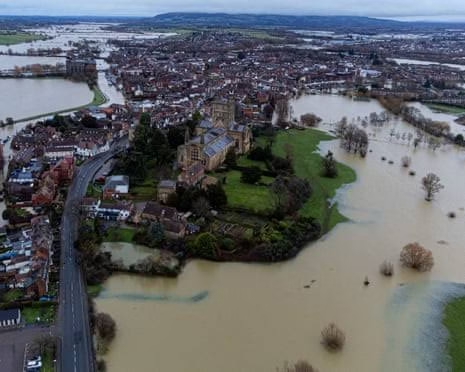
Heavy rainfall is often identified as the main cause of flooding, but across many urban communities in Nigeria, the impact of flooding can be worsened by what happens to waste after it is discarded.
Plastic bottles, nylon bags, sachet water packaging, food wrappers and other forms of unmanaged waste frequently find their way into drainage channels. When these materials accumulate, they can obstruct the flow of rainwater and reduce the capacity of drainage systems to carry water away from streets and residential areas.
The consequences can be significant.
Blocked drainage systems can contribute to the flooding of homes, businesses and roads, disrupting transportation and daily activities. Floodwater contaminated by accumulated waste can also create environmental and public health concerns, particularly when it comes into contact with human waste and other pollutants.
For businesses and households, flooding can result in damage to property, loss of goods and interruption of economic activities. Communities may also face additional costs associated with cleaning, repairs and restoring damaged infrastructure.
Addressing urban flooding therefore requires more than expanding or repairing drainage infrastructure. The effectiveness of drainage systems is also influenced by how waste is managed within the communities they serve.
Improved waste collection, proper disposal practices, regular clearing of drainage channels and greater public awareness can all contribute to reducing the amount of waste entering waterways and drainage systems.
The responsibility extends across different sectors. Citizens have a role in disposing of waste properly, while waste-management authorities, businesses, policymakers and other stakeholders can contribute through effective collection systems, enforcement, infrastructure and environmental education.
Flooding remains a complex environmental challenge with multiple contributing factors, including rainfall intensity, drainage capacity, land use and urban development. However, reducing preventable blockages caused by improperly discarded waste can form part of broader efforts to make urban communities safer and more resilient.
Cleaner drainage systems are therefore not simply a matter of maintaining public spaces. They are an important part of preparing communities to better manage the effects of heavy rainfall and reduce the environmental and economic consequences of flooding.


